
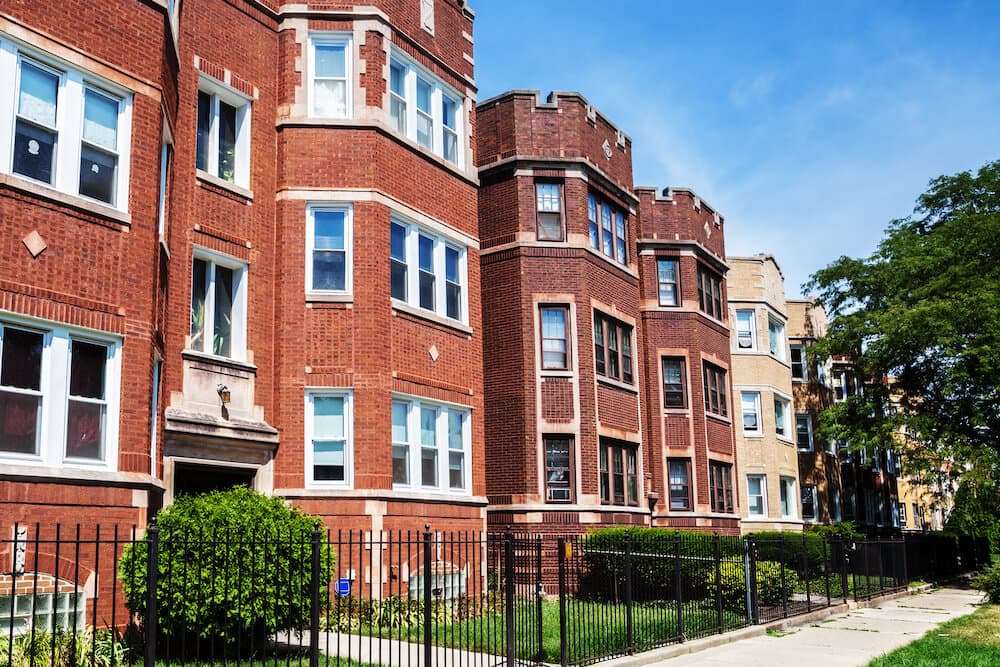
Urban small multifamily residential street

For brokers & partners

Earn a full commission from owners who aren't planning to sell.

100%

Owner tax deferral

3-4%

Broker commission

90%+

Off-market buildings

Many small multifamily owners are not looking to sell. We help you unlock off-market transactions - to help owners make a tax-deferred transition to passive ownership.

Brick apartment building with balconies

For you

Full commission from off-market transactions

Full commission

We pay a standard commission - typically 3-4% - without a buyer's broker taking a share.

Off-market access

Most small buildings don't sell; we open a path to transact with unlisted owners.

Referral flywheel

Satisfied owners will refer others; each conversation can unlock several more.

For your clients

A tax-efficient transition to passive income

Tax deferral

For a long-term owner, a sale means a large tax bill. A 721 exchange defers that entirely.

Continued ownership

Your client owns a stake in a diversified portfolio with ongoing cash flow and growth.

No management

Professional management means truly passive income for your client.

How it works

Three steps to a commission

01

Identify a long-term owner

Think about clients who have owned their buildings for years - especially those showing signs of management fatigue, tax concerns, or an interest in succession planning.

02

Make the introduction

Connect them with Middle Door. We handle the educational conversation - explaining the 721 exchange and whether it is the right fit.

03

Earn your commission

If the building is contributed to our portfolio, you receive full commission - typically 3-4% - without a buyer's broker reducing your share.
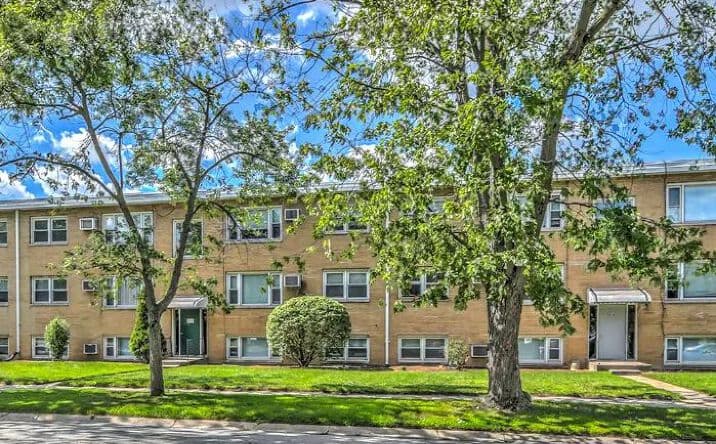
Suburban brick apartment building surrounded by mature trees

Common questions

Frequently asked questions

Your commission

How much do I earn if I bring in a client?+
We pay a full 3-4% commission on the contributed building value - with no buyer's broker taking a share. On a $1.5M building, that is $45,000-$60,000 to you. The commission structure is comparable to a traditional sale, but you are opening a conversation that most brokers never have - with owners who weren't planning to transact at all.
How does this compare to a traditional sale commission?+
In a traditional sale, you typically split a 5-6% commission with a buyer's broker, netting 2.5-3%. With Middle Door, you earn the full 3-4% with no split. The economics are better - and the client is in a much better position tax-wise.
Are there additional incentives for consistent referrals?+
We are building long-term relationships with broker partners and structure our arrangements accordingly. Reach out to discuss the specifics - we are open to conversations about ongoing referral arrangements for partners who are actively working with this client profile.
When do I get paid?+
Commission is paid at close, when the building is contributed to the portfolio.

Qualifying clients

What kind of client is the right fit?+
The ideal client has owned a 2-49 unit multifamily building for many years, has built meaningful equity, and is showing signs of management fatigue - or is starting to think about succession. If they are hesitant to sell because of the tax hit, that is exactly the conversation to start. They also need to qualify as an accredited investor.
What if my client just wants to sell outright?+
A traditional sale is always an option and we will say so honestly. But for long-term owners with low cost basis, the tax bill from a sale can be enormous. We can help you model the comparison - in most cases, a 721 exchange leaves the client significantly better off. That is a conversation worth having before they list.
My client is thinking about a 1031 exchange - should I still introduce them?+
Yes. A 721 exchange is often a better solution than a 1031 for owners who want to stop managing. A 1031 also defers taxes, but requires finding a replacement property in 45 days, closing in 180, and then managing the new asset. A 721 exchange exits them from active ownership permanently - with no deadline and no new building to run.
What if my client owns a single-family rental or commercial property?+
Our focus is small multifamily (2-49 units). We are not a fit for single-family rentals or large commercial properties. If the client owns a mix, reach out and we can discuss whether any of their holdings qualify.

The referral process

What do I actually do to refer a client?+
Just make the introduction. Email us at info@middledoorhomes.com with a note about your client's situation - building size, location, approximate value, and what is prompting the conversation. We handle the educational discussion with the owner from there.
Will you help me explain this to my client?+
Yes. We provide materials you can share, and we are happy to do a joint call with you and your client to walk through how the 721 exchange works. You do not need to be a tax expert - you just need to open the door.
What is the typical timeline from introduction to commission?+
From first conversation to close typically takes 60-90 days, depending on due diligence and the client's pace. We keep you informed throughout the process.
How does this affect my ongoing relationship with the client?+
It usually strengthens it. You are solving a problem the client did not know had a solution. The referral flywheel is real - satisfied owners refer siblings, children, and other investors who own similar properties.

For your clients

What does my client actually receive?+
OP units - a passive ownership stake in a professionally managed, diversified portfolio. They receive quarterly distributions, annual K-1s, and nothing to manage. No tenant calls, no maintenance, no 2am emergencies.
Is this a good deal for the client or just for MDH?+
It is genuinely good for the right client. No tax bill at closing, continued ownership in a growing portfolio, and truly passive income that is often higher than what they earned managing the building themselves. We decline transactions that are not a fit.
How liquid is this for my client?+
OP units are illiquid for an initial lockup period of approximately 2-3 years. After that, semi-annual redemption windows provide flexibility. This is a long-term investment - not appropriate for clients who need immediate liquidity.

How MDH makes money

How does Middle Door generate revenue?+
MDH earns a property management fee on the portfolio - a standard percentage of gross rents, consistent with institutional property management. We do not charge acquisition fees or promote structures that would misalign our interests with owners. Our business grows when the portfolio grows and performs well.
Are your interests aligned with mine and my client's?+
Yes. We earn ongoing management fees tied to portfolio performance - so we are incentivized to operate well, grow income, and retain owners as long-term partners. We are not a fund with a short hold period trying to flip assets. We are building a durable housing business. When your client does well, we do well.
Are you competing with me by going directly to property owners?+
No. We rely on broker introductions to reach most of our owners, and we protect your relationship. We do not poach clients you introduce, we do not go around you on commission, and we keep you informed throughout the process. Our interests are aligned: you earn commission, your client solves a real problem, and we grow the portfolio.

Have a client in mind?

Reach out directly. We can discuss whether your client is a good fit and how to structure an introduction.